Quiet Luxury vs. Loud Wealth: How Tastes Are Shifting in 2026
By VAVYON Journal
Where Vision Becomes Legacy.
Introduction
There was a time, not so long ago, when wealth announced itself. It arrived in gilded monograms, in the unmistakable roar of a supercar engine, in logos so large they could be read from across a room. To possess something valuable was, by definition, to display it. But somewhere between the excesses of the early 2000s and the quiet recalibration of the years that followed, a different sensibility began to take hold—one that whispers rather than shouts, and in doing so, speaks far more loudly to those attuned to listen.
The Death of the Logo
For decades, branding was the currency of prestige. A handbag’s value lay not merely in its craftsmanship but in its legibility—could a stranger, at twenty paces, identify the house that made it? That question now feels almost vulgar. The most coveted pieces of 2026 bear no insignia at all. Their value is encoded instead in the weight of the fabric, the precision of a seam, the particular way a cashmere coat falls across the shoulders. This is luxury for an audience of one: the wearer, who knows precisely what they are wearing, and feels no compulsion to explain it to anyone else.
This shift did not happen by accident. It reflects a broader cultural unease with conspicuous consumption—a recognition that ostentation, in an era of widening inequality and heightened scrutiny, can read less as aspiration and more as tone-deafness. The new elite have learned a lesson that old money understood instinctively: true wealth has never needed to perform.
Craft as the New Status Symbol
If logos are out, what remains? The answer, increasingly, is craftsmanship itself—and the story behind it. A jacket cut from cloth woven on century-old looms in a small Italian mill carries a different kind of cachet than one stamped with a famous name. The provenance becomes the point. Where was this made? By whose hands? Using what techniques, passed down across how many generations?
This obsession with origin and process has elevated artisans who once toiled in relative anonymity into figures of quiet renown. Heritage ateliers that survived decades on the strength of word-of-mouth alone are now fielding waiting lists that stretch into years. The currency has shifted from recognition to rarity, from visibility to verifiable authenticity.
The Architecture of Restraint
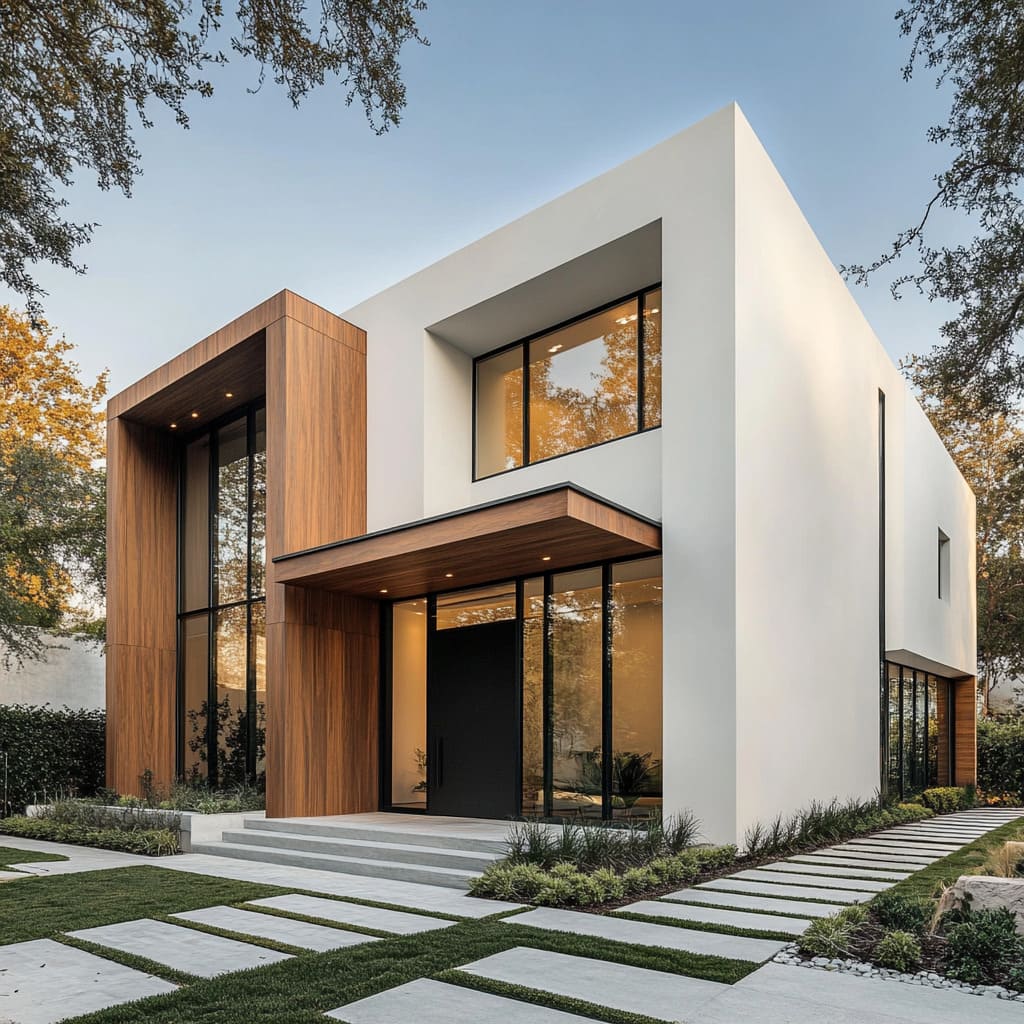
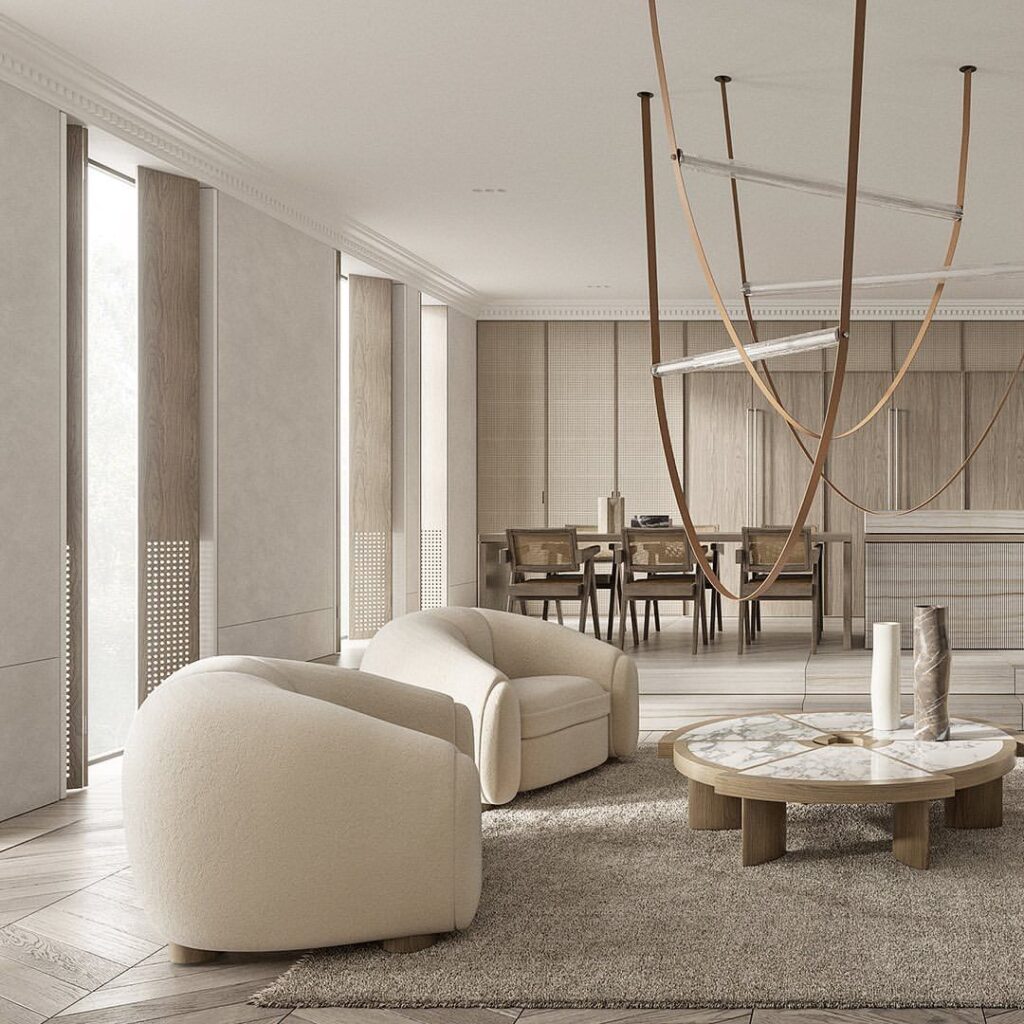
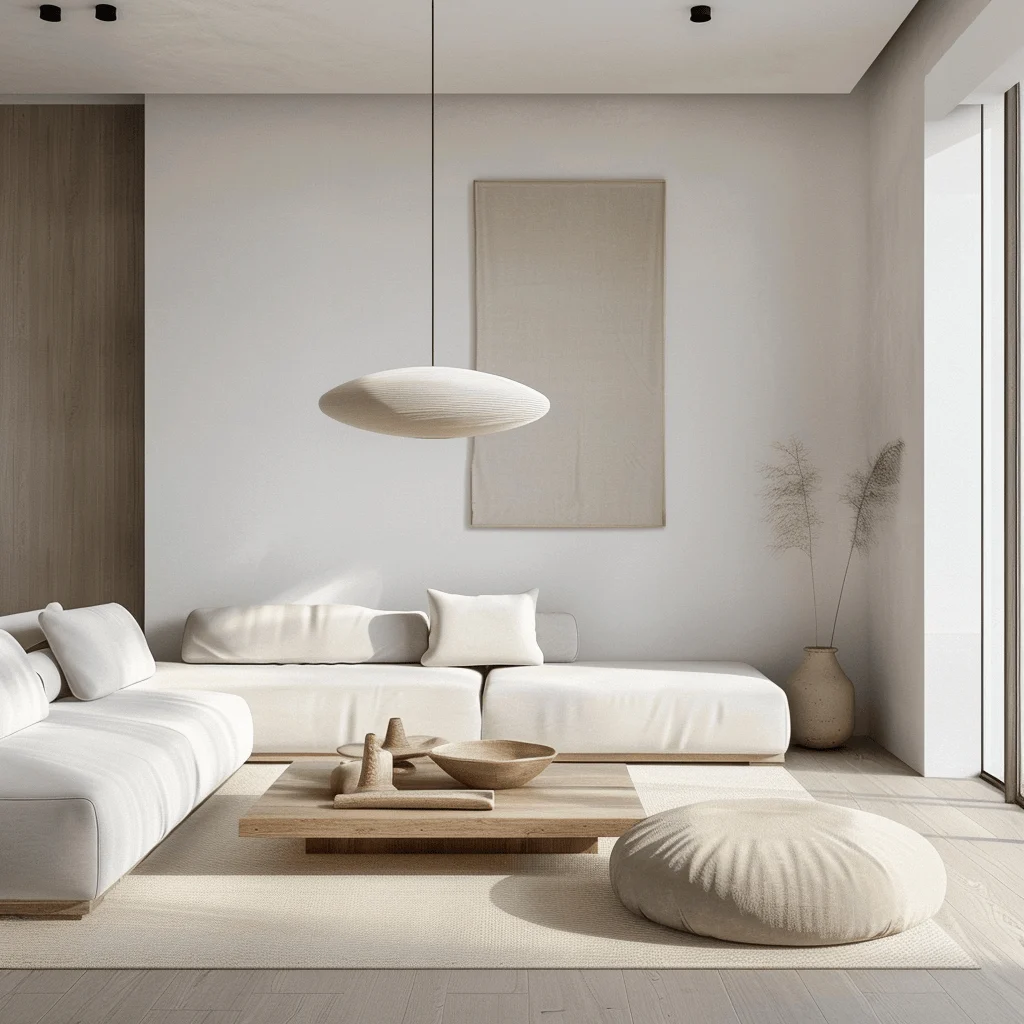
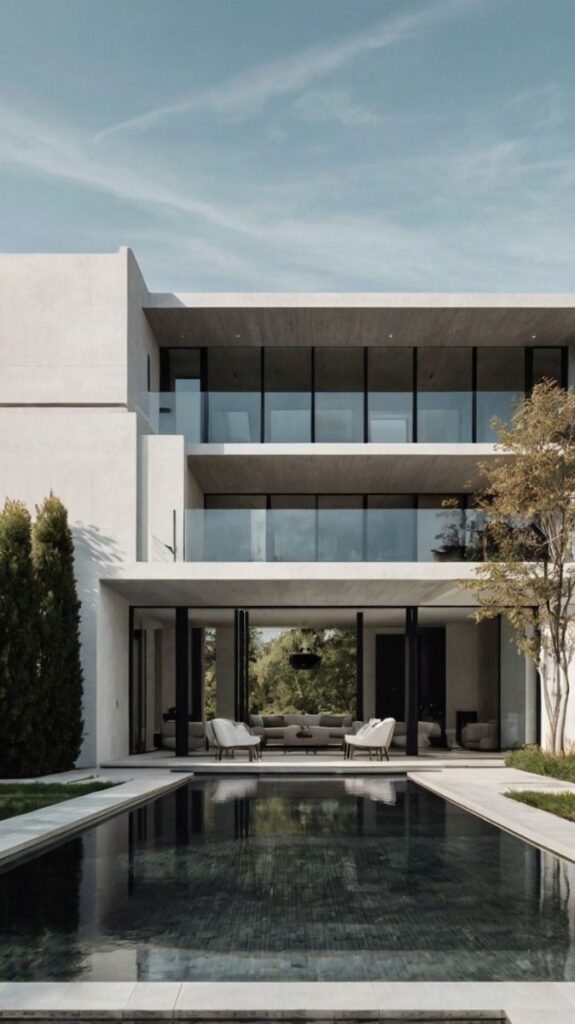
Nowhere is this shift more visible than in the homes of the affluent. The trophy mansion—all marble, columns, and chandeliers visible from the street—has ceded ground to something more deliberately unassuming. Facades that reveal little. Interiors built around texture and proportion rather than ornament. A palette so restrained it might be mistaken, by the untrained eye, for simplicity.
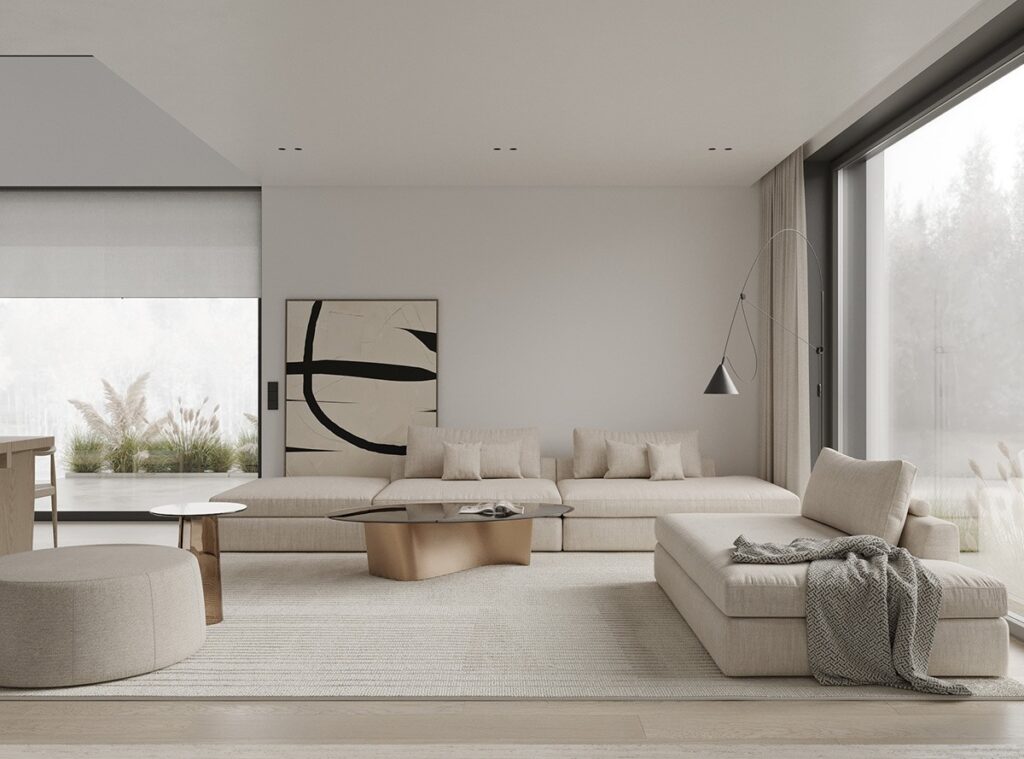
But simplicity, here, is the most expensive illusion of all. A room stripped of decoration depends entirely on the quality of what remains—the grain of the wood, the drape of the linen, the precise temperature of the light. There is nowhere to hide. Every imperfection becomes visible in the absence of distraction, which is precisely why achieving this kind of restraint costs so much more than achieving its opposite.
Why This Matters Beyond Fashion
It would be a mistake to read this shift as merely sartorial. The move toward quiet luxury reflects something deeper about how influence itself is being redefined. In a world saturated with images, where everyone has access to the visual language of wealth—filters, rentals, convincing imitations—the ability to distinguish oneself through display has been democratized into meaninglessness. When everything can look expensive, looking expensive stops being interesting.
What cannot be so easily replicated is knowledge: the kind that allows someone to recognize quality without being told, to choose well without needing validation, to feel secure enough in their position that they no longer require an audience. This is the deeper appeal of quiet luxury—not merely an aesthetic preference, but a signal of belonging to a class that has stopped needing to prove itself.
The Counter-Movement: Loud Wealth Persists
And yet, to declare quiet luxury the unanimous victor would be premature. In certain corners of the world—particularly among newer fortunes, built quickly and publicly—loud wealth retains its appeal. For those whose success is recent, visible markers serve a purpose that subtlety cannot: they communicate arrival. A logo, in this context, is not a crutch but a credential, proof of a journey that quiet luxury, by its very nature, would obscure.
This tension—between those who wish to announce their ascent and those who have long since stopped needing to—may be the truest story of 2026’s shifting tastes. It is not that one camp has triumphed over the other, but that the distance between them has become a kind of map, revealing not just what people own, but how long they have owned it, and what they still feel they need to prove.
A Question of Permanence
Perhaps the clearest way to understand this divide is through the lens of permanence. Loud wealth often signals a moment—an achievement, a milestone, a celebration of arrival. Quiet luxury signals a state—an ongoing condition, assumed rather than announced, expected to persist without further commentary.
As 2026 unfolds, the most discerning observers will be watching not which camp grows larger, but which one endures. History suggests that what begins as a reaction to excess often becomes, in time, its own kind of orthodoxy—and that the truly fashionable will, inevitably, find some new way to set themselves apart. For now, though, the message is unmistakable: in the upper echelons of taste, the quietest rooms have become the ones worth listening to.